Tailoring Meals to Your Partner's Sport
Supporting a partner who trains like an athlete requires more than just showing up to games or listening to post-training debriefs. The kitchen is often the unsung engine room of their performance, and strategic nutrition can be the difference between a personal best and a disappointing plateau. When you take charge of food prep, you aren't just cooking dinner; you are fuelling recovery, enhancing endurance, and ensuring they have the energy reserves needed to perform at their peak. However, not all sports require the same nutritional profile, and understanding the nuances of their specific discipline is key to tailoring meals effectively.
Understanding the energy demands of different sports
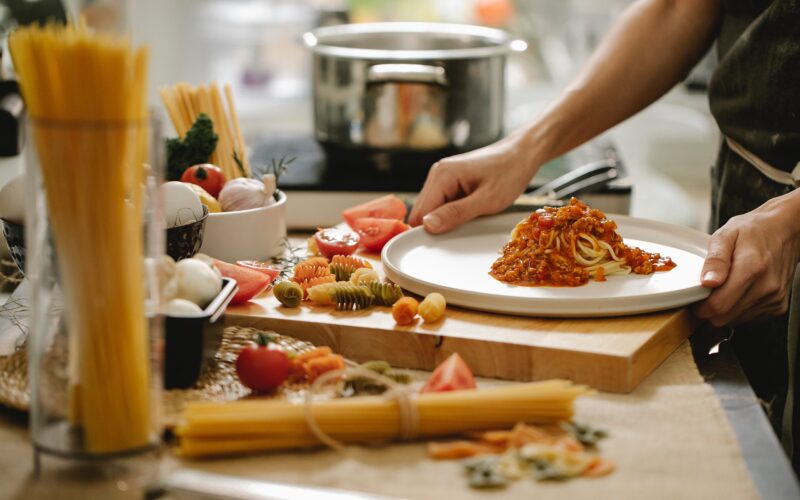
The first step in tailoring nutrition is recognising that a marathon runner and a powerlifter have vastly different fuel requirements. Endurance athletes, such as cyclists or distance runners, rely heavily on glycogen stores. Their meals need to be carbohydrate-dense to ensure they don't hit the dreaded 'wall' during a long session. For these athletes, pasta, rice, oats, and quinoa are staples that should form the bulk of their intake, especially in the days leading up to a big event. Conversely, strength and power athletes, like rugby players or weightlifters, require higher protein intake to repair muscle micro-tears caused by explosive movements and heavy loads. While they still need carbohydrates for energy, the balance shifts towards lean meats, fish, eggs, and plant-based proteins to support hypertrophy and strength gains.
Timing is everything
When you feed your partner is almost as important as what you feed them. Pre-workout meals should focus on easily digestible carbohydrates that provide a quick energy release without causing digestive discomfort. Think porridge with banana or a slice of toast with honey about an hour before training. Post-workout nutrition, however, is where the magic happens for recovery. This is the anabolic window where the body is screaming for nutrients to repair tissues and replenish stores. A meal combining protein and carbohydrates—such as grilled chicken with sweet potato or a tuna pasta bake—consumed within two hours of finishing a session will significantly accelerate recovery times, allowing them to train harder the next day.
Hydration strategies beyond just water
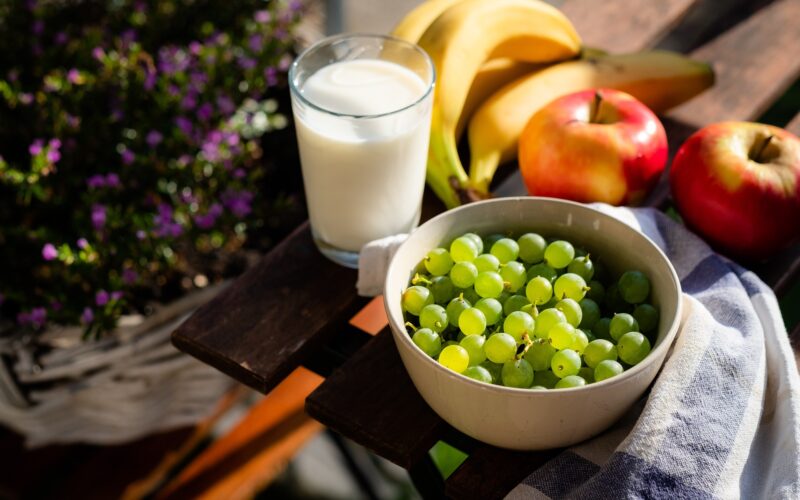
Hydration is often overlooked in food prep, yet it is critical for maintaining performance levels. Dehydration can lead to fatigue, reduced coordination, and muscle cramps, all of which hamper athletic output. While water is essential, electrolytes lost through sweat need replacing, particularly for endurance athletes or those training in hot conditions. You can incorporate hydration into your meal prep by including water-rich foods like cucumber, watermelon, and oranges in their lunch boxes. Additionally, homemade electrolyte drinks using coconut water, a pinch of sea salt, and a splash of fruit juice can be a far healthier and more effective alternative to sugary commercial sports drinks.
The role of micronutrients in injury prevention
Macronutrients (protein, carbs, fats) get all the glory, but micronutrients are the silent protectors against injury and illness. Athletes put their bodies under immense stress, which can suppress the immune system and increase susceptibility to colds or inflammation. Ensuring your partner consumes a 'rainbow' of vegetables provides the vitamins and minerals necessary to bolster their immune defence. Iron is particularly crucial for female athletes to prevent fatigue, while calcium and vitamin D are non-negotiable for bone health in high-impact sports like running or gymnastics. Incorporating leafy greens, nuts, seeds, and colourful peppers into every meal ensures they are getting a broad spectrum of these vital nutrients.
Batch cooking for consistency and success
Consistency is the bedrock of athletic performance, and the easiest way to ensure consistent nutrition is through batch cooking. Life gets busy, and when time is short, the temptation to grab convenient, processed food increases. By dedicating a few hours on a Sunday to prep specific components—roasting a tray of root vegetables, boiling a batch of eggs, or slow-cooking a chilli—you guarantee that high-quality fuel is always accessible. This approach not only saves time during the week but also removes the mental load of decision-making after a long day, ensuring your partner stays on track with their nutritional goals regardless of how chaotic the schedule becomes.